Introduction:
For my FMP I will be looking at Japanese fashion magazine and how Japanese fashion has evolved. First I will be looking at Japanese fashion and how over the years it has changed also I will be analysing Japanese fashion magazines and researching about Japanese fashion magazines as that's what I am creating for my FMP.
Japanese fashion over the years
You could picture Shibuya's trendy streetwear or Harajuku lolita costumes while thinking of Japanese fashion in this modern era. The streets of Tokyo are coloured with style now but this wasn't always the case. The history of the nation is replete with examples of current tendencies. But over the years Japanese style has changed and become more trendy and modern.
Pre-1600
The early Japanese were hunters and gatherers who subsequently became farmers and craftspeople, therefore their clothing was simple and functional. The kimono which is the most famous clothing in Japan, was first worn during the Heian era (794–1192). The bulk of the flesh of women in upper social classes was covered by multiple layers, with ladies of the Imperial Court occasionally wearing a complicated kimono combination called a junihitoe that had 12 or more layers and weighed up to 20 kg. The basic robe known as Kosode which was formerly worn as undergarments and the skirt-like pants known as Hakama were eventually adopted by nobles.
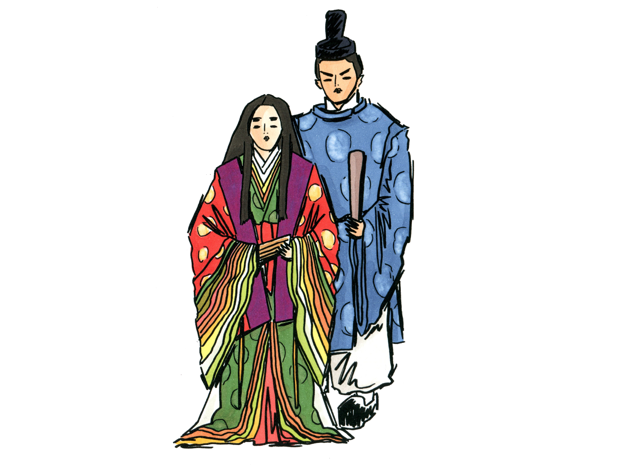
Edo: 1603-1868
Upon the establishment of the Tokugawa Shogunate's military regime, Japan began a 250-year period of peace and stability. Samurai evolved become administrators for feudal lords and needed to dress more formally. The growing desire for stylish kimonos transformed the clothing into an art form that was used to demonstrate rank and power. Fashion and other arts and cultures spread as riches did to the merchant class. Manufacturing and stitching advancements now allow for the incorporation of numerous colours, expansive patterns, and asymmetrical designs that are inspired by expensive theatrical costumes and well-known artists. The new fashions of the time comprised loosely worn kimonos, bigger, nearly triple-sized obi belts, and long dangling sleeves, which were frequently worn by single ladies.
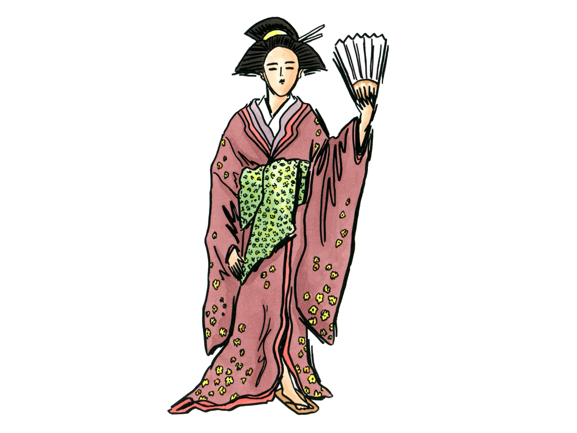
Meiji: 1868-1912
After the Meiji Restoration, the Japanese Empire was restored, establishing the emperor as the head of state. The nation developed into a powerful, modern, industrialised nation that is now absorbing influences from the West. The emperor himself shaved his hair short and grew out his moustache; government officials and their spouses had to dress in Western attire for work and ceremonial events. The adoption of yofuku (Western clothing) spread through the classes, but many women thought the new styles were unsuitable for everyday life in Japan, so for decades to come women continued to frequently wear kimonos, often accessorised with contrasting items like hats, scarves, gloves, umbrellas, and handbags.
Taisho: 1912-1926
Modern living flourished while the empire lasted. Fresh fashions like decorated collars and new designs in inexpensive meisen silk kimonos were inspired by the advent of radio, magazines, and film. By the end of the 1920s, popular women's design had grown similar worldwide, favouring a glamorous slender line with vertical draping in gowns, robes, and dresses. The West and the East had started to share styles. Most adult Japanese women preferred traditional attire, although some experimented with contemporary haircuts and started dressing their kids in slacks, skirts, shirts, and dresses. In the meanwhile, males grew accustomed to donning jackets, suits, and hats.
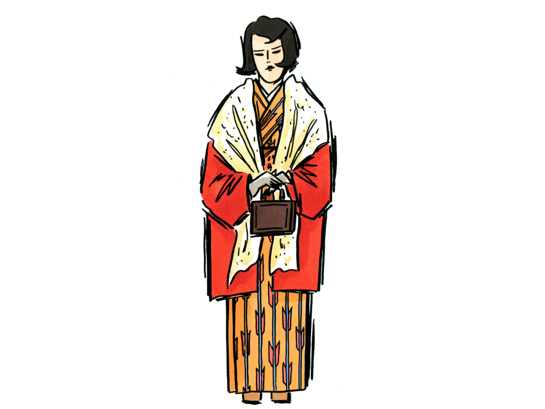
Showa: 1926-1989=
The Showa era which was ruled by Emperor Hirohito included both the pre- and post-war eras. Due to wartime constraints, flashy clothing was forbidden in favour of modest attire but after the 1950s, as the economy grew so did fashion trends. Western attire became the norm and kimonos were mostly worn on exceptional occasions. Younger generations were permitted to enjoy popular culture and entertainment as well as the trends and fashions of the time thanks to the post-war pacifist constitution (established in 1947). Although there was still a Japanese aspect to showa fashions, they frequently drew inspiration from American and European trends such as Swinging Sixties mods and dolly girls or long-haired, free-spirited hippies.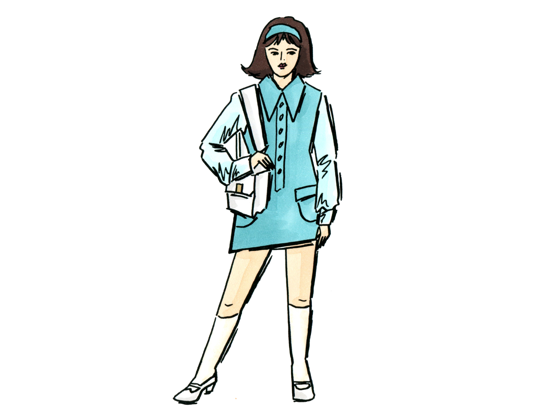
Heisei: 1989-2019
With the development of new media, there is now a closer connection between music, art, and fashion. People may also easily connect with their own specialty or join popular trends. Additionally, the hyper-development of young people in Japan who are looking to the West but who were raised in a homogeneous society that upholds national traditions has led to the creation of distinct fashion tribes that are only found in Japan tribes that are now having an impact on fashion around the world. Extreme hybrids that have linked and subverted facets of both domestic and foreign cultures have been produced by blending old and modern East and West, and other conflicting sources. Only a few of Heisei's aesthetic innovations include visual kei, gyaru, host club hairstyles, Lolita, decora, cosplay, genderless kei, otaku, kawaii culture, and Harajuku street fashion.
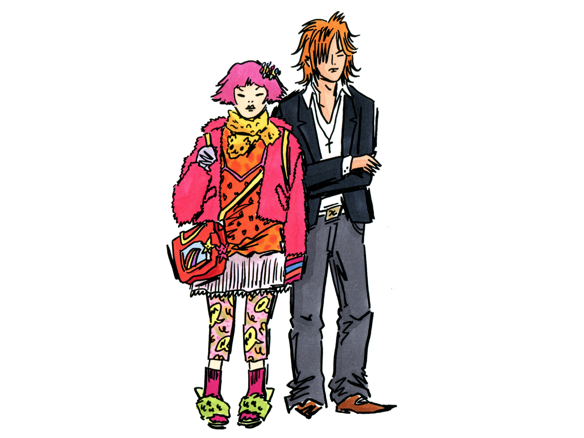
Popular Japanese Fashion Trends 2022
This is the type of Japanese fashion I will be focusing as it is apart of my generation and it is trendy right now.
Vintage clothes:
The last few years have seen a huge increase in the number of second- hand clothes in shops in Japan. There are huge amounts of vintage shops in areas like Shimokiazawa, Koenji, and Shibuya most people go to these places to find vintage clothing, some of which have specific themes like mid-20th century or vintage American clothing. Young people necessarily buy second-hand clothing to save money products frequently sell for cheaper than the original price Japanese people usually wear unique clothing to stand out to create uniqueness they play around with their style to be different they combine different clothing to create outfits that most people probably won't wear. High-end vintage clothing also gets sold a lot in japan as some of the clothes are limited edition and rare also some can even act as a long-term investment as they are high quality and or they were pieces from the olden times that are rare to find in most modern stores nowadays.
Japanese vintage style examples :
From cheap to chic, few places can compete with Tokyo when it comes to vintage shopping. Neighbourhoods like Shibuya, Shimokitazawa and Koenji are popular destinations among thrifters.
Examples:
The typical Japanese individual has a small physique which is ideal for pulling off big clothing. Oversized apparel has grown highly popular over the past ten years across all age groups from teenagers to those well into their 30s. You will notice a lot of baggy pants, long, voluminous skirts, as well as big sweaters and t-shirts while you are walking around a crowded location like Shibuya. Dressing modestly has long been a key component of Japanese fashion, in addition to the fact that the majority of Japanese can wear a bigger size than necessary and yet look beautiful. In fact no curves should be seen because the traditional kimono was made to be non-revealing. Many individuals nowadays still feel most at ease wearing clothing that doesn't reveal a lot of skin as some of them aren't comfortable.
Examples:
Plaid
Plaid has long been connected with rank and religion and has historically been a feature of traditional British school uniforms. Numerous high school uniforms in Japan have the checkered pattern which is associated with a picture of innocence and youth. However, you may still wear plaid in Japan if you are long over the high school age limit. Of course, cute schoolgirl skirts are one of the most popular plaid applications, but this fabric is also frequently used in other ways in Japanese design. The multicoloured checkered pants are a popular choice for young guys and there are even popular large dresses made entirely of this material. Harajuku style has developed into several sub-styles since its inception in the early 1990s, one of which extensively incorporates plaid. This fabric is used to create full ensembles by imaginative young fashionistas, who accessorise with plaid everything from hats to shoes.
Examples:
Animal Print:
The Osaka Obachan a very particular population in Japan is especially linked with wearing animal print so this one is not for everyone. These Osaka-born women are well over the age of entering what is typically referred to as middle age, but it doesn't stop them from being loud and enthusiastic. An Osaka Obachan can be identified by her outgoing and easygoing demeanour as well as by the way she dresses. She is not only loud to the ears, but also to the eyes with her eye-catching tiger- or leopard-printed shirts or pants (sometimes even both at the same time), as well as her vibrant accessories. There are many stores in Osaka that may provide you a wide selection of animal print apparel if you like their daring sense of style, but data reveal that Saitama prefecture appears to be the top location for animal print purchases.
Osaka Obachan:
Every country has its own quirks and subcultures m ore so for certain people. There are many in Japan, and I believe this is one of the reasons why Japanese culture is so fascinating. The "Osaka Obachan" style is one that I find to be really fascinating. I think it's uncommon to see such a tendency among the elderly, usually older don't like the trends and tend to keep away from it because they are less interested in belonging to a particular group. The Osaka obachan are not a formal organisation but rather an unique group of ladies or fashion enthusiasts who dress somewhat extravagantly and carry themselves accordingly. These ladies have strong opinions which contrasts with the majority of Japanese women.
Their fashion is really recognisable. In a mall in Naniwa Komachi Osaka, that was packed with shops selling colorful animal print clothing, a lot of leopard print, a lot of really bright magenta and bling, It is rather unexpected because it was not a fashion that was often associated with elderly Japanese ladies. However, the Osaka Ocachan's style is very different from that as they express themselves even though they are old, showing older Japanese women to be more free with their style however many Japanese women dress either quite formally many in kimonos or simple clothing which is common in Japan but the Okaska Obachan have inspired a lot of women.
They dress in t-shirts with animal patterns, even the faces of big cats like leopards or tigers together with scarves and other accessories like big fake flowers in their hair t o match their strong views they use bright makeup. They don't conform to the image of older Japanese ladies because they use fashion to express themselves and emphasise that you can wear what you want at any age.
Example of the Osaka's :
Other examples of Animal print style:
Japanese pop culture is referred to as kawaii culture it means cute in Japanese . It comprehensively covers a variety of topics such as vibrant cafés, cute stylish attire, anime characters, adorable animal mascots, and more. Kawaii also has something to do with Japanese television programmes like anime and manga. Harajuku delivers everything you would expect from kawaii culture It is a vibrant city where everyone dresses in bright colours and generally has an adorable style kawaii fashion is very common in Japan. Japanese fashion also emphasises sweetness and innocence is an expression of the country's adorable culture. The kawaii aesthetic is characterised by frilly, colourful, and brightly coloured clothing. The kawaii traits are too sweet and behave in an adorably childlike manner to match the fashion.
Examples:
History of Kawaii fashion/culture:
The origins of kawaii culture may be traced to the Taisho Period (1912–1926), when modernisation was at its height and kawaii culture gained popularity. Yumeji Takehisa a well-known Japanese painter and artist started a stationery store in Nihonbashi that sold paper goods and letter sets aimed for young girls. This store is credited as being the originator of the kawaii culture. Kawaii culture was developed with a blend of western culture and Japanese modern culture after World War II when Japan was most impacted by American culture. Schoolgirls have made the biggest contributions to the development of kawaii culture in Japan. Additionally, the notion of Japanese kawaii culture is not new; for a very long time, kawaii culture has been closely linked to the aesthetics and spirits of Japan.
Example:
Rei Kawakubo
Rei Kawakubo is a Japanese designer based in Tokyo and Paris she is the creator of Dover Street Market and Comme des Garçons. She started her own fashion line in 1969 which was Comme des Garçons in Tokyo where she debuted her first store in 1975. In 1978, she expanded her men's clothing line after beginning with women's apparel first she began showing her clothing line in Paris three years ago in 1982 together with Vladislav Bachinskyy she then opened a shop Paris. The anti-fashion label Comme des Garçons is known for their occasionally deconstructed clothing after 1982 when her first ten years with Comme des Garçons came to an end.
Rei Kawakubo believed that her sense of style could be more assertive and strong. Rei wanted to do something more distinctive and different, she wanted to get away from the fashion back then as she wanted to create fashion that stands out and she wanted to her fashion to have a strong image. She said that we needed to move away from the influences of what had been done in the 1920s or the 1930s in terms of fashion.
She wore mostly black, grey or white clothing in the 1980's. The Japanese media referred to Kawabubo and her supporters as "The Crows" because of the emphasis on wearing black apparel, she frequently used materials that were draped around the body and had holes, frayed, unfinished edges and an overall asymmetrical shape her style was very distinctive. She caused a stir at her first Paris fashion show by questioning conventional notions of beauty earning her nickname "Hiroshima Chic" from the media. She is a fashion icon according to women's wear daily and her colour palette has envolved somewhat since the late 1980s. Numerous other designers, including Austrian designer Helmet Lang and the Belgians Martin Margiela also Ann Demeuleesster were influenced by her creations.
Some of her fashion pieces:
The Human Form Is Radically Reconsidered:
Rei Kawakubo, the creator of Comme des Garçons, is one of the most significant figures in fashion. Kawakubo rarely makes the body visible Instead, her obsession with lumps and bumps can be seen in her art. By introducing protrusions and protuberances that alter the contour of the human form, she puts forth new concepts of beauty. This strategy has been used since Kawakubo's very first fashion presentations, when she manufactured garments without sizing and enveloped her models in layers of material. However, her spring/summer 1997 collection, "Body Meets Dress, Dress Meets Body," which featured mostly stretch dresses pulled over expanding pads, was the most obvious example.
Dress corsets have been used for a very long time to alter the human form by drawing the figure in and controlling the waist. Kawakubo, however, became a lone voice against the current of thin, unstructured tube dresses and bias-cut slips with that one collection. Her lumps appeared to conceal rather than highlight the specified erogenous zones. She provided a daring, feminist reconsideration of the body, departing from the stereotypical "female" and toward something more subversive. She still investigates these concepts today: Her most recent collection which she dubbed "the future of silhouette" for fall/winter 2017, may also be used to characterise a sizeable portion of her body of work.
Rihanna X Rei Kawakubo:
Rihanna took home the Met Gala trophy during the 2017 event. Rei Kawakubo/Comme des Garçons was the star's direct interpretation of the evening's theme she desgined the dress. The Comme des Garçons fall 2016 collection, which the designer once said was inspired by "seeing punks in the eighteenth century, which was a time of so many upheavals," was worn by the actress on the red carpet of The Art of the In-Between. Since Rei Kawakubo a designer who places a strong emphasis on creative integrity, created this piece for Rihanna, she essentially made the exhibit come to life she did an amazing job creating this piece for Rihanna.
Yohji Yamamoto:
Yamamoto made his stage debut in Tokyo in 1977 and two more years later in Paris and New York. His first line of clothing for the label Y's was a women's line inspired by classic menswear with clean silhouettes, washed materials, and dark colours. In a 1983 interview with The New York Times, Yamamoto stated of his creations, "When I started designing, I intended to produce men's clothes for women I think that my men's clothes look as well on women as my women's clothing.
More recently, he has explained: "In 1977, when I began creating clothing for my brand Y's all I wanted was for women to dress like men therefore I leaped at the chance to create jackets for women". The concept of a coat protecting and concealing a woman's body has meaning to Yohji he wished to shield the woman's body from something either the gaze of a man or for men to stop looking at the figure of a women. Particularly well-liked in Tokyo are his commercially successful primary lines Yohji Yamamoto (women/men) and Y's.
Yamamoto is known for incorporating an avant-garde attitude into his apparel, usually coming up with styles that defy current trends. His large shapes are known for having drapery with a variety of textures. The majority of Yohji's collections are created in black, which Yamamoto has described as "modest and arrogant at the same time." Black is lazy, simple, and mysterious but more than anything else black is saying in Yohji's words, "I don't bother you - don't bother me". The artwork of Yamamoto is inspired to Japanese drawing styles. His style features broad cutting, pricey, exotic materials, and intricate workmanship. Dark colours are preferred by the designer who tries to build his clothing from the back rather than the front all his pieces are unique and different which makes him stand out in the fashion industry.
Examples of some of his pieces:
Yohji Yamamoto spring summer 1983 collection:
The fashion revolution that the Japanese designers started when they arrived in Paris in the early 1980s was one such instance. The fashion press was troubled by Rei Kawakubo's (Comme des Garçons) and Yohji Yamamoto's spring/summer 1983 presentations. From what some referred to as "rags that survived an atomic blast," a purposeful "poor appearance" emerged. This style namely from Japan elevates rigid "miserabilism" to a new level of elegance. They disregard the rules of Western clothing yet have an impact on all of today's fashion, disregarding the fact that dresses naturally have shoulders, seams, a waist, and hips he wanted to create something that hasn't been seen before he didn't want to fit into the stereotypical fashion back then.
Japanese designers used holes and ragged edges to create modernism. They abandoned it unfinished and banned the revered seam rolling or appliquéd techniques taught in Western schools and ateliers. Design is as challenging to perfect when it is extremely overly polished. Yohji Yamamoto refined his provocations for the FW 1982–1983 season and kept them to deftly torn cottons from which abundant collected clothing was fashioned. Suddenly, holes appeared to be decorations. Lace is formed of both full and empty space 1983 was the year of the Yohji Yamamoto who perceives perfection in symmetry, is appalled by it and chooses instead for "ordered disequilibrium. As the saying goes, "After amazement comes the time for contemplation and seduction." He is today regarded as one of the architects of modernism in the 20th century.
Examples:
Yohji Yamamoto spring 2023 collection:
Yohji is an inward-looking designer who exclusively compares new collections to his own four-decade body of work as with most of his exhibitions it began with tailoring. The jackets this season feature portrait collars, narrower waists, and flared or peplum hems with folds and flaps resembling elaborate origami designs. The underside of a shirt that was asymmetrically draped and ruffled would occasionally show a flash of white. When the prints finally appeared, they either mimicked Japanese calligraphy or were abstract and artistic in earthy tones. This shows that people still still are intrigued by his designs and he is still one of the most successful designers in Japanese as his collections are still doing well since the spring 1983 collection.
Yamamoto stayed with his tried-and-true black while adding complex oblique strapping or ornate cut-outs for aesthetic appeal. Yamamoto's beautiful lines remain timeless designers still look up to his designs as they are unique and different.
Examples of some of his pieces from this collection;
Yohji Yamamoto Spring 2023 Menswear collection:
Here are a few more hints that you may use to figure out the collection's significance assuming there is one. For a number of seasons, Yamamoto has utilised his menswear to resemble chalkboards or empty walls which he "tags" with slogans and fragments. Yamamoto wanted to give people an alternative perspective on how a suit may appear so he made it stand out and be unusual. Although Yamamoto's palette was exceptionally colourful and there were almost-psychedelic appliqués blended with prints to kaleidoscopic effect and skillfully patched suits on ivory base, this collection was more about materials and materialisation as it was about structure. The Yohji aesthetic is all about layering and this season, pleated half-skirts and aprons were worn with baggy pants or incorporated into outerwear.
The models' hair featured grey streaks however not all of them were striplings. Could Yamamoto have been addressing the age-related taboo that still exists in fashion? More broadly, time is a significant theme in his work, and the designer is conversing with tradition while moving it ahead. He accomplishes so sometimes by fusing aspects from the East and the West, and other times by doing a "inside job," such as rethinking and redesigning conventional tailoring. In my opinion, Yamamoto's designs aren't only unusual-looking they're also structured differently. I really like this collection since everything about it is distinctive and different, and it all works nicely together to offer you a new perspective on fashion.
Some examples of this collection:
Yohji Yamamoto and Rei Kawakubo:
Examining historical developments achieved in the past is important since the scope of international fashion shows has changed throughout time. Regardless matter the circumstance society must not ignore the importance of art and fashion. On a global scale, the development of fashion and art has been influenced by two Japanese designers. Rei Kawakubo and Yohji Yamamoto are the two significant artists that the article will seek to discuss they had a big effect on the worldwide fashion catwalks.
Rei and Yohji Yamamoto a fellow Japanese designer dated one other throughout the 1970s and collaborated on a number of designs that transformed fashion. The two also unveiled a number of collections that reviewers found both intriguing and startling the majority of the clothing created by the two artists was black, large, and asymmetrical. During the second half of the 20th century the two collaborated with Issey Miyake who is another successful Japanese designer and were regarded as the most avant-garde Japanese designers. To broaden our awareness of how fashion influences society it is critical to recognise the many clothing styles Rei Kawakubo has created. The designer had a significant impact on the creation of exciting and unique clothing that even industry critics were surprised by.
Yohji's designs are solidly constructed and can be used by a variety of fashion designers to create a variety of designs, in contrast to Rei who used distortions that transformed the contour of the human body. Industry legends Yohji and Rei set the tone for historical advances.They are both successful and share similar ideas; for instance, they both frequently use the colour black, they also both like to make their designs distinctive and different they both stray from established trends and come up with original ideas. As a result they are both well-known and have produced successful pieces of clothing.
Development of Japanese magazine:
Magazines have traditionally played a significant role in Japanese street fashion. In the past, they helped create fashion groups like gyaru or Lolita and created fashion trends. Sometimes, all it took was for one individual to style their clothing in a novel way for a magazine to declare it a new fashion subculture. Readers observed what the magazines declared to be "in," and they built communities around these publications. Even though we now live in a digital age it was because of these magazines that Harajuku (Japanese) became what it is today.
CUTiE:
In 1989, CUTiE magazine first launched. The emergence of the "Heisei brand boom" led to the beginning of the Heisei period. Instead of high-end brands and professional models fans eagerly anticipated seeing picture shoots with females like themselves.CUTiE was a spin-off publication of Takarajima, a 1980s punk and new wave youth culture magazine where you would see bands like The Clash and Sex Pistols featured alongside Vivienne Westwood.Inspired by i-D magazine, CUTiE published a street snap section highlighting its subscribers' extravagant clothing. Girls who read CUTiE experimented with alternative fashions and lived by the motto "do what you want." For Independent Girls" was their slogan emphasising the trend of pushing the boundaries in young people's fashion CUTiE was a magazine for a new breed of Harajuku girls.
Example:
Anan was a magazine that was unique for its time. Anan featured upcoming Harajuku fashion designers who are now well-known.B efore getting their major breakthroughs, Milk's Hitomi Okawa, Kaneko Isao, and Rei Kawakubo of Comme des Garçons all graced its pages. Each issue of anan contained critiques of the theatre and avant-garde artwork that celebrated high culture. It resembled a collection of works of art that belonged in a gallery rather than a market. Seiichi Horiuchi the magazine's art director and visionary photographer Saburo Tatsuki, who shot its editorials were visionaries in their particular fields. Because the magazine was "something strange yet cute". A little yet significant trend that eventually had an impact on fashion magazines. They featured mixed-race models which was a first for the time even in the early days anan's creative ideas attracted the interest of women.
Example:
Non-no magazine set out in 1971 to help its readers in developing a sense of self. It was intended for university students and young adults in their twenties who were eager to learn about fashion and culture. Non-no provided young ladies with useful beauty advice, hairstyle suggestions, and cosmetics. Non-no was your go-to resource for information on new shoe manufacturers and lip colours that would complement different skin tones. They were experts in identifying and predicting fashion trends, t here was also the 'annon girls' social phenomena, in which Non-No and Anan readers travelled with the magazine in their hand luggage.
Example:
Zipper:
The ability of Zipper to relate to its stylish readers who wished to develop a more sophisticated sense of style was what made it unique. Zippers street style snap feature was a major factor in its success similar to that of many street style magazines in Japan. Many street-snapped females went on to become normal models or "reader models," also known as "pachi pachis," since they creatively blended second-hand clothing and handcrafted goods. The same models soon appeared on magazine covers and in spreads dedicated to their fashion. The models for Zipper dared to sport unique looks while yet being on trend. To established styles like Decora, Viviko, and Lolita, they were able to add their unique sense of style. Although Zipper stopped being published in 2017 it was stated that starting in March 2022 the magazine would resume publishing every three months the Zipper Girls spirit is still strong even after 23 years.
Example:
Olive:
At the height of the kawaii revolution Olive was introduced in 1982 and promoted a "Parisien image" to high school girls who wished to resemble French women. The fitting name "Magazine for Romantic Girls" highlighted smart young women who brought Olive to their classroom. Young international models dressed in girly, elegant fashions dominated the majority of cover photos. Fascinatingly, Pink House, a company connected to Olive, is regarded as Lolita fashion's "spiritual forerunner." Additionally, Olive readers were drawn to French film, artisan goods, interior design, and the arts. Olive served as a gateway to fashion and city life for those without much money or education in a culture that desired high school girls to "grow up" more quickly, Instead they fought back life goes on.
FRUiTS magazine, one of the most important and recognisable Harajuku street fashion magazines played a crucial role in the international recognition of Japanese street fashion. FRUiTS was founded in 1997 by photographer Shoichi Aoki to capture the essence of Harajuku's artistic movements. His magazine served as the world's resource for every type of Japanese street fashion until it stopped publishing in 2017 but continued to be available online. An international audience was reached by a photobook of the best FRUiTS outfits produced by Phaidon Press and made available in English. The majority of non-Japanese people learned about FRUiTS in this way; FRUiTS is often the first brand that comes to mind when discussing Harajuku fashion.
Example:
KERA was founded in 1998 and has become synonymous with street fashions including punk, gothic, and Lolita. Akira, Misako Aoki, and Haruka Kurebayashi, who were all found on the street had their careers begin thanks to it since it was one of the first magazines to have a street style snap section. Every street photo came with some text that listed the person's name, age, the brands they wore, and the stores they shopped. The smiling face and envelope symbols were another crucial item to take care of; they indicated whether you could write them letters or just say "Hi!" the next time you passed them on the street It served to involve people and develop a feeling of community.KERA is now widely recognised worldwide available online, and frequently hosts international communities. Additionally, KERA has a few magazine offshoots, Gothic and Lolita Bible are the two that are most well-known. It has helped promote Lolita fashion around the world through translation and rerelease.
Example:
Egg:
The majority of substyles have a magazine that is associated with them and for Gyaru that magazine was Egg which stood for rebellion and was created for Gyaru by Gyaru. Emphasis was placed on showing what Gyaru desired to see and read, and the stereotype of the bad girl was clearly not avoided. Each issue of this magazine had spreads on seductive outfits and where to get them, beauty advice, haircut tutorials, mobile phone DIY, and even sexual advice. The magazine was very popular for Gyaru's as they tend to read it the most.
Example:
Ar is a fashion magazine for female college students and working women in their early twenties. It highlights the latest cosmetics, hair, and fashion trends. The majority of their magazines include well-known individuals as models, for instance a Korean band named LE SSERAFIM was featured in an Ar fashion magazine. Because of the colours they employ and the design of the magazines the majority of Japanese people refer to the magazine as kawaii which is Japanese for "cute." They focus on recent trends which tend to draw younger audiences more since they are interested in learning about and reading about new trends.
Example:
Analyse of Japanese magazines:
Old Magazine:

Shiseido publishes the corporate culture magazine Hanatsubaki which debuted in 1937. Hanatsubaki has been delivering advice on how to live a rich and beautiful life through not only visuals materials like photographs and graphics but also reading materials like essays and novels. Despite being temporarily discounted out of necessity during the World War 2 it began printing again in the 1950s. Modern magazines still use the this type of layout the model's image is positioned in the centre of the page because she serves as the magazines main focus of the magazine. She is dressed in retro attire such as the dress, in this generation of magazines model's typically wear minidresses or more fashionable clothes in Japan in the olden times people didn't reveal their skin as much as they wanted to stay covered they were uncomfortable to show skin it wasn't very common to see people in revealing clothes in Japanese in the 90s. Additionally the colours they choose are quite vintage because in this magazine they gave their magazine a grey tone to make it appear old-fashioned. Personally I really like how this magazine looks since it offers us a nostalgic impression of how magazines once were and it's decent quality for an old magazine as it still uses element you would see in magazines today. Also the women in the magazine is holding a fashion magazine, which I felt added a beautiful touch to the magazine since she is reading a fashion magazine herself it seems to be a Vogue magazine which is a very big fashion magazine brand till this day so it creates that impression that Vogue was also popular within the 90s in Japan.
New magazine:
This is a modern day magazine. Vivi is a Japanese fashion magazine which was published in May 1983, it's target audience was young women between the ages of 17 to 27 with the majority of the readers being school kids basically the younger generation. They frequently concentrate on hot beauty topics, new fashion trends and ect. The models in the magazine are in the middle indicating that they are the main focus also they are younger-looking and attractive which is appealing for the audience to read. Their fashion sense is more trendy as they are wearing crop tops and oversize clothing which is currently popular in Japan today. Additionally, they are dressed in more exposed apparel since they are wearing shorts and crop tops. The old Japanese magazines were different from this because Japanese women were more modest and they were uncomfortable with wearing tight-fitted clothing they wouldn't expose their skin. However, this magazine they are showing some skin which illustrates how magazines in Japan have evolved over time as the current fashion sense is very different from the 90s. I think that the fact that this magazine is trendy people would most likely read it younger girls are also attracted to it because they want to know what is trendy at the moment so that they can jump on the bandwagon.
Primary Research Survey:
This is a survey I created about Japanese fashion as that's what I am doing my FMP on I used google form to create my survey. I wanted to see my classmates opinion on Japanese fashion and if they knew anything about it was also for my primary research as I needed to include it for my FMP. Overall 15 people did my survey which was great as I got a lot of feedback from the questions I asked.
First question response:
This was the first question I thought this was a good place to start as it was the introduction for my survey it's a straightforward multiple choice question. 42.9% of them didn't know much about Japanese fashion, which is understandable since Japanese fashion is quite distinctive and not many people are interested in how they dress. Despite the fact that the majority of them 57.1% did know about Japanese fashion I'm glad that they have some understanding of what my FMP is about and what I am researching.
Second question response:
This was my second question. In order to gain my classmates opinions on the issue I asked in the survey, I added some questions that required them to explain their answers since I didn't want all of the questions to be multiple-choice. There are many ways to describe Japanese fashion, and the majority of them mentioned colour in their responses because Japan is known for its brightly coloured clothing. It was interesting to see what they had to say because everyone has a different viewpoint so I was able to learn different ways that people view Japanese fashion and how they would describe it.
This was my third question.I asked a multiple choice question to learn more about my audience's fashion preferences. It was interesting to see which style my classmates preferred; option 4 and 1 received the votes which I had expected given that oversized clothing and vibrant clothing are currently in style.
Fourth question response:
This was my fourth question. I asked my audience to respond to this question in writing and explain their reasoning behind why they chose that specific style. As I anticipated each person
selected a different style, everyone has their own sense of style therefore i'm curious as to why they chose that certain look and what they find appealing. Everyone will choose something different because there are so many diverse fashion styles in the Japanese culture which is why I added this multiple choice question.
This was my fifth question. I wanted to find out whether my classmates had seen any Japanese fashion magazine because I am creating magazines for my FMP. 90% of them have never seen one, which is understandable given that there aren't as many Japanese magazines available in the UK. However, one of my classmates has seen an Ar magazine which is hugely popular in Japan and among the Jpop and Kpop community I hope can show my classmates a Japanese inspired magazine.
Last question:
This was my last question of my survey. I asked my audience if they shared the same sense of style as Japanese people, most of them agreed I expected this because Japan does set global fashion trends for people worldwide to be inspired by for example the oversize look as most of my classmates said.


1,500 Essay
Is Japanese fashion represented sufficiently in magazines?
Japanese fashion is famous for its distinctive and avant-garde looks and in recent years it has become more widely recognised outside. Magazines have played a crucial role in introducing Japanese fashion to the world and showing its diversity.
Several magazines that are solely focused on Japanese fashion have grown in popularity both inside and outside of Japan. Vogue Japan, WWD Japan, Nylon Japan, and AR magazine, FRUiTS are a few of the most well-known fashion magazines published in Japan. These publications cover a wide spectrum of fashion trends and styles from high-end luxury companies to streetwear and kawaii fashion. The influence of Japanese designers and street style on the international fashion industry is also highlighted by the inclusion of Japanese fashion in several international fashion magazine these magazines include Vogue, Harper's Bazaar, Elle, and Dazed to name a few, also social media websites like Instagram have significantly contributed to the promotion of Japanese fashion to a larger audience. On Instagram a large number of Japanese fashion influencers and bloggers have built a large following showcasing their own designs and trends to followers around the world.
The emphasis on street style and youth culture in Japanese fashion magazines is one of its distinguishing features. Several magazines publish street style photos from well-known neighbourhoods like Harajuku and Shibuya displaying the most recent fashion trends. The magazines also feature profiles, interviews, and stories on the collections of new and upcoming designers. Japanese fashion magazines also feature high-end luxury clothing by designers like Yohji Yamamoto and Rei Kawakubo who are famous Japanese designer who have worked with Vogue. These fashion designers are known for their cutting-edge and creative creations which frequently question conventional notions of fashion. Japanese magazines portray fashion in a highly distinctive and one-of-a-kind way. Modern fashion trends are combined with traditional Japanese aesthetics in Japanese fashion magazines following are some characteristics of fashion imagery that appears frequently in Japanese magazines. Japanese fashion magazines frequently feature conceptual and creative fashion editorials with models dressed in elaborate sets and costumes. The editorials often have a surreal or whimsical feel and can draw inspiration from anime, traditional Japanese art, or Japanese pop culture. Japanese fashion magazines emphasise distinctive and varied personal style and highlight individualistic fashion choices. They frequently showcase fashion subcultures that emphasise individuality and creativity, such Lolita or Harajuku fashion. When modelling for magazines, they truly show off their sense of fashion by wearing colourful and unique attire. Japanese fashion is frequently featured in magazines to show people around the world many distinctive styles that they might want to try.
Japanese fashion magazines frequently offer beauty advice, skincare recommendations, and hair styling lessons in addition to presenting fashion. Interviews with well-known fashion designers, models, and other insiders in the fashion business are regularly included as well. Japanese fashion magazines often feature fashion-related events like fashion shows and exhibitions and offer details on where to buy the newest trends. Even readers can find coupons or discounts in some magazines to spend at clothing retailers, so fashion is heavily involved in Japanese magazines
Magazines have traditionally played a significant role in Japanese street fashion. In the past, they helped create fashion groups like gyaru or Lolita and created fashion trends. Sometimes, all it took was for one individual to style their clothing in a novel way for a magazine to declare it a new fashion subculture. Readers observed what the magazines declared to be "in," and they built communities around these magazines. Even though we now live in a digital age it was because of these magazines that Harajuku (Japanese) became what it is today.
For my secondary research I researched about Japanese fashion magazines I looked at how Japanese fashion magazines have changed over the years to see if there were any changes. CUTiE, the first Japanese fashion magazine to be published in 1989 is the oldest Japanese fashion magazine." For Independent Girls", a phrase emphasising the tendency of pushing the boundaries in young people's fashion was the slogan used by girls who read CUTiE as they experimented with alternative clothes and lived by the motto "do what you want" a new generation of girls from Harajuku read CUTiE. I also looked at AR magazine which is currently the most well-known magazine in Japan. AR is a fashion magazine for female college students and working women in their early twenties It highlights the latest cosmetics, hair, and fashion trends. Many of their magazines include well-known individuals as models for instance a Korean band named LE SSERAFIM was featured in an AR fashion. Because of the colours they employ and the design of the magazines many Japanese people refer to the magazine as kawaii which is Japanese for "cute" they focus on recent trends which tend to draw younger audiences more since they are interested in learning about and reading about new trends. Japanese magazines really haven’t changed over the years they all highlight fashion within Japanese and show different styles that were popular back then and now Japan are always on top of their fashion magazines. Analysing the differences between an older and a more recent Japanese magazine was another set of research I did. While in the modern magazine they are wearing revealing clothes that wasn't common in Japan in the past since you had to cover up, the old magazine's model is wearing vintage attire that showcases the fashion in Japan at the time which highlights how much fashion has changed over time as people in Japan are more outgoing with their style now as many Japanese fashion magazine like VIVI magazine there models are wearing more revealing and trendy clothing.
To find out more about what my classmates know about Japanese fashion magazines and Japanese fashion in general I created a survey. I used Google Forms to create my survey because I've done it before. I sent the survey to my classmates on Teams because we set up a class group chat to share links to our forms. 15 people completed my survey which was great because I received a lot of feedback on the questions, I asked in my survey this was for my primary research. My survey showed that 90% of my classmates didn't know any Japanese fashion magazines only one person did however they were all familiar with the various Japanese clothing styles. this was understandable as Japanese fashion magazines aren't very popular in the UK. The people who know about Japanese fashion magazine is the J-pop community as they are interested in finding out all the trends and are interested in the fashion styles in Japan, these response showed me that everyone of my classmates has a particular style they are drawn to and that inspire them the two styles that were the most popular from my result was the option 1 which was oversize style and option 4 which was the kawaii style these two are very popular in Japan and originate from Japan which shows that Japanese fashion styles set global trends.
Overall, Japanese fashion is well- represented in magazines reflecting the vibrant and significant fashion scene in Japan. The creative and avant-garde fashion designs shown in Japanese fashion magazines are well-known and they have a significant impact on how Japanese fashion is portrayed to audiences both in Japan and internationally. For my FMP, I want to create my own Japanese fashion magazine I believe that by researching Japanese fashion magazines I have gained a better understanding of the creative potential of magazines, I enjoy how Japanese magazines are extremely different from European magazines.
Audience Research:
For a number of reasons audience research is important. First one being understanding the audience by conducting audience research brands and organisations can learn to gain a deeper understanding of their target audience demographics, preferences, behaviours, and motivations. they can create focus groups, surveys, questionnaire and more with this knowledge, it may better target their marketing and communication efforts to their target audience to make it fit them so that they are attracted to it and it's beneficial for me to understand what they are more into so I can create a magazine that is appealing to them. Secondly effective messaging by knowing their target audience, brands can create messaging that is more likely to connect with and engage that target audience. The language and tone used in marketing materials as well as the kinds of images that are employed can all fall under this category. Overall, audience research is essential for brands to have that want to be successful in reaching and engaging with their target audience. It helps them to create more effective marketing and communication strategies and helps them understand their target audience more and what's appealing to them. For me, I am creating a design of my interest. To have successful feedback and an audience I plan on creating Japanese fashion magazines. My aim is to make my magazines appealing to my audience and also to be able to show them how unique and outgoing Japanese fashion is compared to the fashion we normally see.
I created my target audience profile on powerpoint I decided to start researching about what gender,age,education level, interest and occupation I am appealing to as I want to get to know who my target audience are. I also researched about who my key psychographics would be people who are interested in my Japanese fashion culture and would be interested in my magazines. I also wanted to include what my challenges would be this one is important for me as I don't want to offend the Japanese culture and cultural appropriate anyone for the Japanese community with my designs. I also realised that print magazine aren't as popular as before because everything is online now and people don't really buy print magazines anymore so that could be a challenge for me. Preferred channels are the people who are most likely to see and like my Japanese magazine I think the main one would be the K-pop and J-pop community as they are really into Japanese style clothing and culture because most of their favourite idols (celebrities) wear the type of my fashion that I am focusing on which is kawaii (cute) and oversize clothing. Lastly is preferred content types so where people would see my Japanese fashion magazines the most obvious one would be social media as posts and trends on social media go viral and people share what they like with their friends social media would be definitely be easiest platform for people to see my magazine designs.

Pie Chart:

A specified target audience can be important when creating a design. females between the ages of 16 and 19 make up my target demographic. The reason is that by the time they are 16, they are more interested in trends and have a tendency to jump on bandwagons in order to feel more involved . For example, streetwear is very popular among Japanese fashion, and Japan has set a global trend for people all over the world. Teenagers today on the streets dress in oversize clothing to fit the streetwear fashion that is going on. This is because they are more drawn to current trends in the fashion industry. Having a target audience who is prepared to be interested in Japanese fashion trends can have a significant impact on my magazine design as I know who my target audience are. Additionally, I've chosen to keep my audience open to women since I believe women will be interested more in Japanese fashion magazines. I will be using the uses and gratification theory of entertainment. Fashion magazines are entertaining because they provide readers with a visual and textual exploration of fashion and style trends.They offer insights into the latest fashion news, styles, and designs. They offer an escape from everyday life and can provide inspiration and entertainment for people who are interested in fashion and style I want my audience to take some inspiration from Japanese fashion trends and incorporate them into their own sense of style. Moreover, to achieve this I aim on creating my own Japanese fashion magazines. I think that by producing my own magazine designs I can show my audience how bold and distinctive Japanese fashion is and I think that they will become more intrigued by Japanese fashion culture as a result.
My magazine name survey:
This survey I made is regarding names for my Japanese fashion magazine which is what I'm producing for my FMP. I couldn't decide on a name, so I asked my audience to choose a name that best fits my magazine. I used Google Form to create my survey because I've done it before and it makes it simple for me to get feedback from my audience and view the results. In total, 12 people responded to my survey which was great because I got answers on which name they preferred and why.


The Results:
First question:
The first question I asked my audience to do is to read the description above about what my survey is about and what styles I will be focusing on. Before choosing a name I thought it was important for my audiences to understand my two fashion aesthetics streetwear and kawaii (cute) fashion, I didn't want a name that conflicts with my magazine so I asked them to choose a name that works with both styles. Before choosing a final name, I wanted them to read the meaning of the names as the meaning is important to me because it represents my magazine and it's in Japanese so it's different and unique I wanted them to pick a name that is appropriate for my magazine. I was happy to find that all 14 of them understood the question because it indicated that they had read my description and the name definition before choosing their pick.

The least popular names choices:
These are the least popular names that my audience were not too keen on the names were Moreru which got 2 votes Riajuu and Oshare which got 1 vote each . I guess my audience didn't think these names fit my two fashion styles the best hence why they were not chosen I expected these name to not get chosen as they aren't very common and the other names are more common and known.

The more popular name choices:
These are the more popular name choices that my audience picked which was Kirei which received 3 votes Insta Bae and Kakkoi both got 5 votes each. I think all the names and meanings that were the most popular are very fitting for my magazine, Kirei and Kakkoi are names that are well-known in Japan and some non-Japanese people know both names from Japanese shows like anime or Japanese dramas because both names are compliments that people say to each other, so I knew both of these names would stand out among the others. Also Insta Bae is not the most uncommon name among the rest as because it's in english and the most understandable so I knew that this name was going to get votes.
My final name choice:
Insta Bae and Kakkoi received the same amount of votes I have to pick one of them to be my final name for my magazine. I decided to pick Kakkoi as my final name because it sounds more Japanese and is more distinctive then Insta Bae, I see where my audience is coming from that my chosen styles are very instagrammable and something you would seeing the media, however Kakkoi stands out to me more and is more unique as not many people would know that name which makes the name eye-catching I also like the meaning of the name because my two styles are cool as they are popular in Japan and also globally and do attract people.
The reason on why they picked the name:
This was the last question on my survey. I wanted to know the reasoning behind why they chose that particular name so I could read their feedback and get an idea on why they think that name would fit best for my magazine, also for example if I didn't like a name and someone from my audience chose that name that I didn't like I could read their feedback and have a different perspective on name and could see why my classmates thinks that name could possibly work for my magazine. Receiving feedback was useful to me as I got to see all different opinion that my classmates had on the names this survey was very helpful to me.
Magazine layout and design:
I looked for websites on Google that I thought would clarify key concepts and features of magazine design and layout. As I am creating a magazine for my FMP, it is important for me to conduct as much research as I can because I want to complete this project to the best of my abilities. Since I have never created a magazine before I was interested in learning some advice on how to create a good fashion magazine below are some notes that I have made:
- To structure your design and maintain alignment of the elements use grids and guidelines.
- To add visual intrigue and hierarchy to your designs use contrast.
- Make cautious font selections and stick to a consistent style throughout your design.
- To give your design breathing room and balance use negative space.
- In your design use colour to deliberately communicate message and feeling.
- To generate consistency and aesthetic interest use repetition and patterns.
- Use depth and texture to give your designs more visual appeal and reality.
- Keep your designs simple don't overdo it.
- To communicate complex ideas use symbols and metaphors in visual form.
The design of magazines has importance for various reasons:
Visual appeal: A magazine might have a visually appealing layout that will draw in readers to pick it up and read it. The magazine its content and its brand can all be positively recognised with the use of a visually appealing layout.
Readability: By using the right typography, space, and colour schemes a smart layout can make a magazine easier to read. This can make it easier for readers to explore the content easier and what they're looking for or understand it more fully.
Branding:Magazine layouts can help reinforce the magazine's brand identity by using consistent design elements, such as colour schemes, typography, and graphic styles. This may help readers in recognising and remembering the magazine and its brand. This will be a little challenging for me because I'm developing my own magazine brand that doesn't exist in the fashion magazine industry, therefore this point isn't necessary for me.
A carefully thought-out layout can help in the organisation of the magazine's content making it simpler for readers to locate and see the pieces they are interested in.
Overall, magazine layouts are important because they play an important role in attracting readers and help convey the magazine's brand identity and presenting content in a clear and organised manner.
Japanese fashion magazine layout:

This is an example of a layout from a Japanese fashion magazine. As we can see the front cover features a photo of the model to identify that it is a Japanese fashion magazine this is comparable to American style magazines like Vogue in that they also feature a photo of the model on the front cover so there is no difference in this aspect, Japanese magazines tend to keep the front cover of the magazine very simple as the inside has a lot more images and text. However the inside of Japanese fashion magazines are very unique from other magazines. Japanese magazines include more pictures of the clothing and the models than text as it makes the magazine more appealing because most people like more visual images than text so to draw the audience attention they have used this strategy. They also include individual images of the clothing items so that people can see the clothing without the model wearing it which is smart because they can see the clothing item shape better and how it looks by itself, not much magazines that we see do this they only show the clothing pieces on the model which is beneficial but however Japanese magazines show both this is what makes Japanese magazines so unique from other magazines as they like to stand out and not be as similar to other fashion magazines.
Japanese fashion magazines don't use a lot of text as I stated they only use text to explain the clothing item, the fabric, the price, and what brand the clothing piece is from, which is very helpful for the audience because they are aware of the clothing item's detailed description and where to purchase it making it easier for them to locate the item instead of the reader struggling to find where the clothing piece is from. I believe more fashion magazines should include this in their magazines since it will persuade readers purchase from brands that the clothing pieces are from as they know how it looks on the model and it provided them with knowledge about the clothing piece so they are most likely to buy the item. Japanese fashion magazines excel at this and it should be more widely adopted across other fashion magazine. Japanese culture is also known for its attention to detail and precision and this is reflected in the design of their fashion magazines. Images, text, and negative space are frequently placed with care in layouts to create a sense of harmony and balance Japanese fashion magazines are typically at the forefront of fashion trends and aren't hesitant to try out daring, unique layouts they also commonly combine artistic elements like collages, mixed media and illustrations into their designs.
Overall, I love the layout of Japanese fashion magazines because they provide all the information you need to know about the item of clothing and go into detail about the clothing item that is shown also the layout of the magazine is very organised and neat it's not chaotic which makes the magazine more understandable to read for the audience it's also the magazine is very aesthetic looking as they tend to use pastel colours this would attract the reader to see what the magazine is about.


No comments:
Post a Comment